


A Simple Guide for Artists Who Purchase Leases


Buying a beat lease is one of the most common ways independent artists release music today. It’s fast, affordable, and gives access to high-quality production without paying thousands upfront.
But here’s the part many artists overlook: a beat lease is a contract.
And if you don’t understand that contract, you could accidentally limit your song’s success — or worse, put yourself at legal risk.
This guide breaks down producer contracts for beat leases in plain language, so you know exactly what you’re getting (and what you’re not).
What Is a Beat Lease, Really?
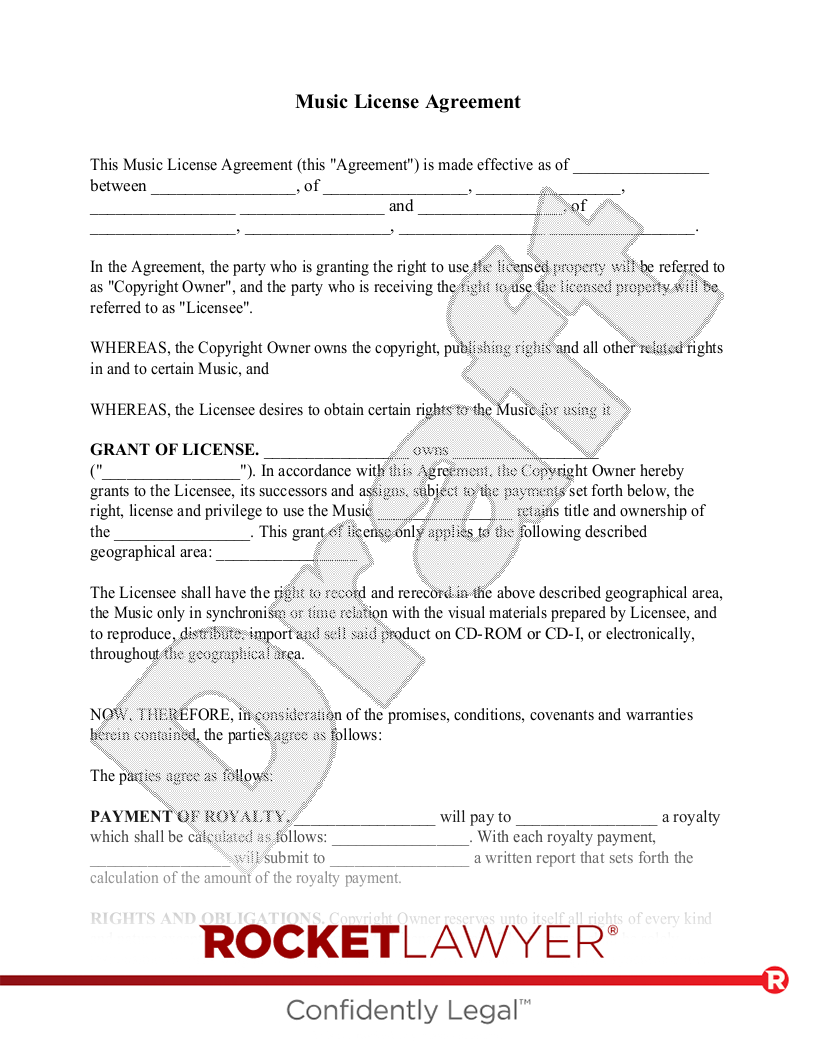
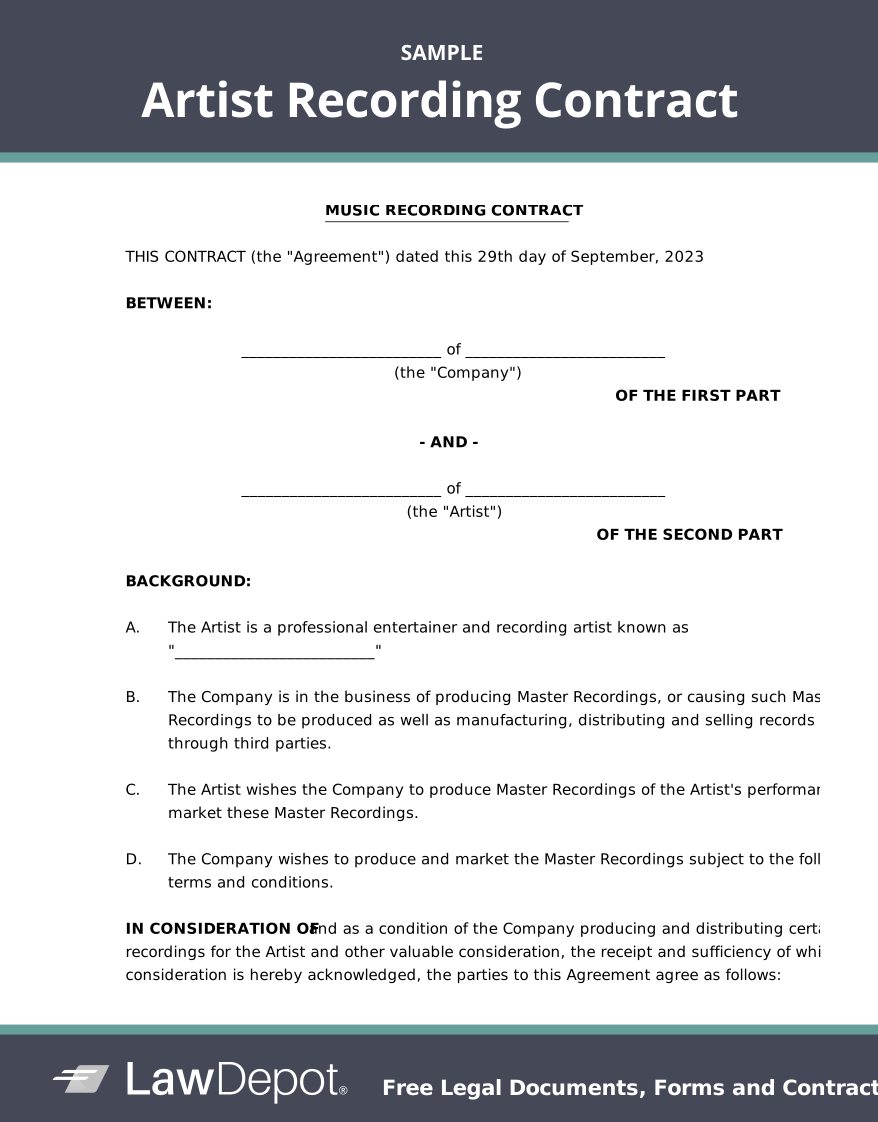

When you purchase a beat lease, you are not buying the beat outright. You’re purchasing a license — permission to use the beat under specific conditions.
Think of it like renting an apartment:
- You can live in it
- You can decorate it
- But you don’t own the building
The producer keeps ownership of the beat unless you buy an exclusive license or full rights.
Key Terms You’ll See in Producer Contracts (Explained Simply)
License Type (Non-Exclusive vs Exclusive)

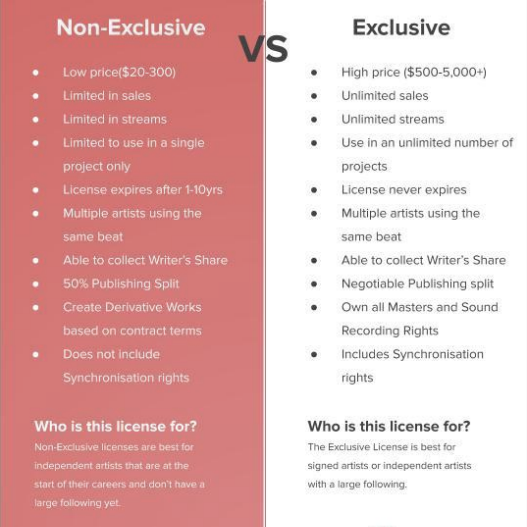
Most leases are non-exclusive, meaning:
- Other artists can lease the same beat
- Multiple songs may exist using the same instrumental
Exclusive licenses:
- Remove the beat from sale
- Cost significantly more
- Still may not transfer full ownership unless stated
👉 Always check which license you’re buying.
Streaming & Sales Limits


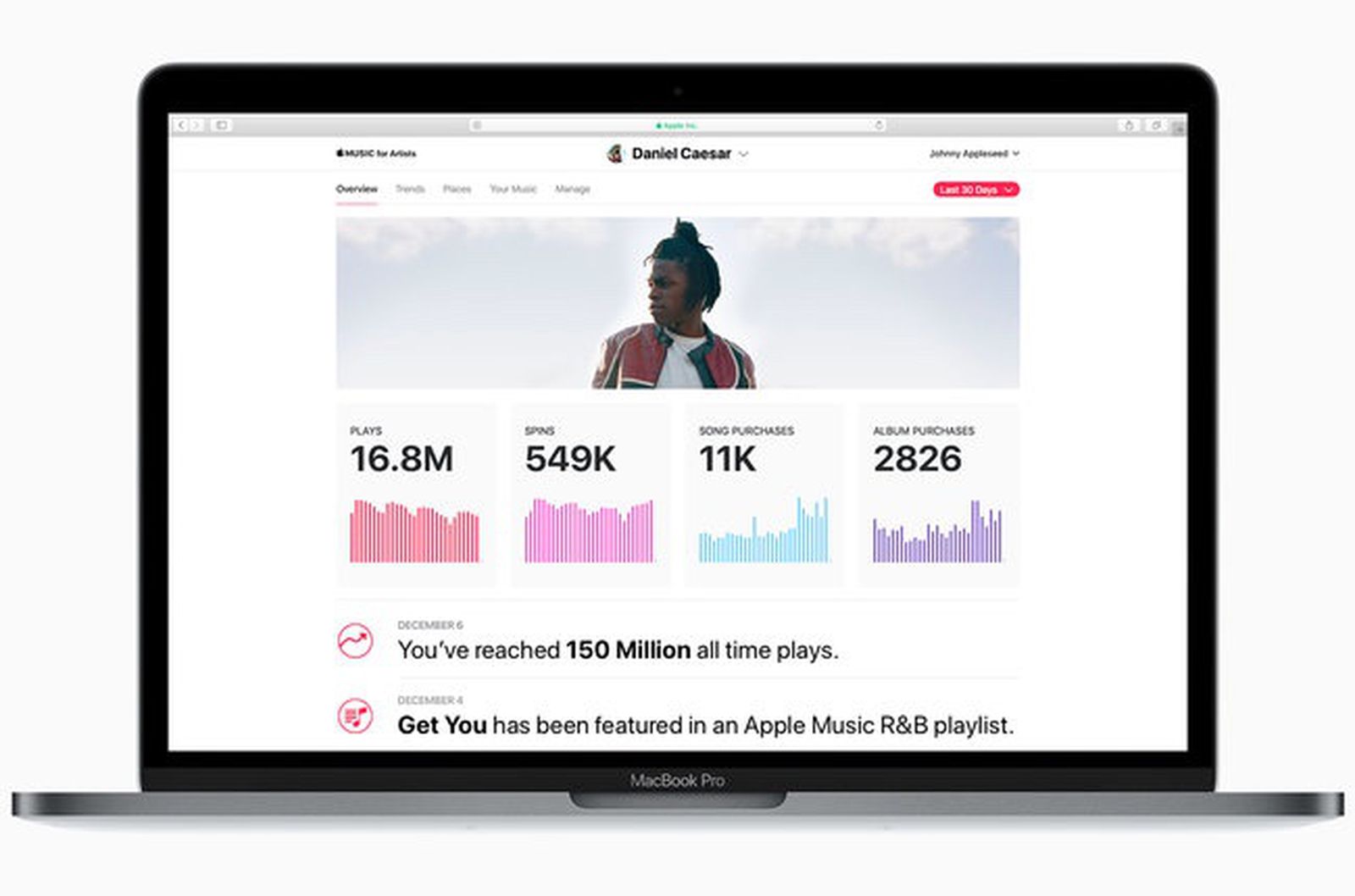
This is one of the most important (and ignored) sections.
Common limits include:
- 50,000 – 500,000 streams
- 1,000 – 5,000 downloads
If your song exceeds these limits, you are technically violating the contract.
👉 If your track starts popping, you may need to upgrade your license.
Credit, Royalties & Publishing
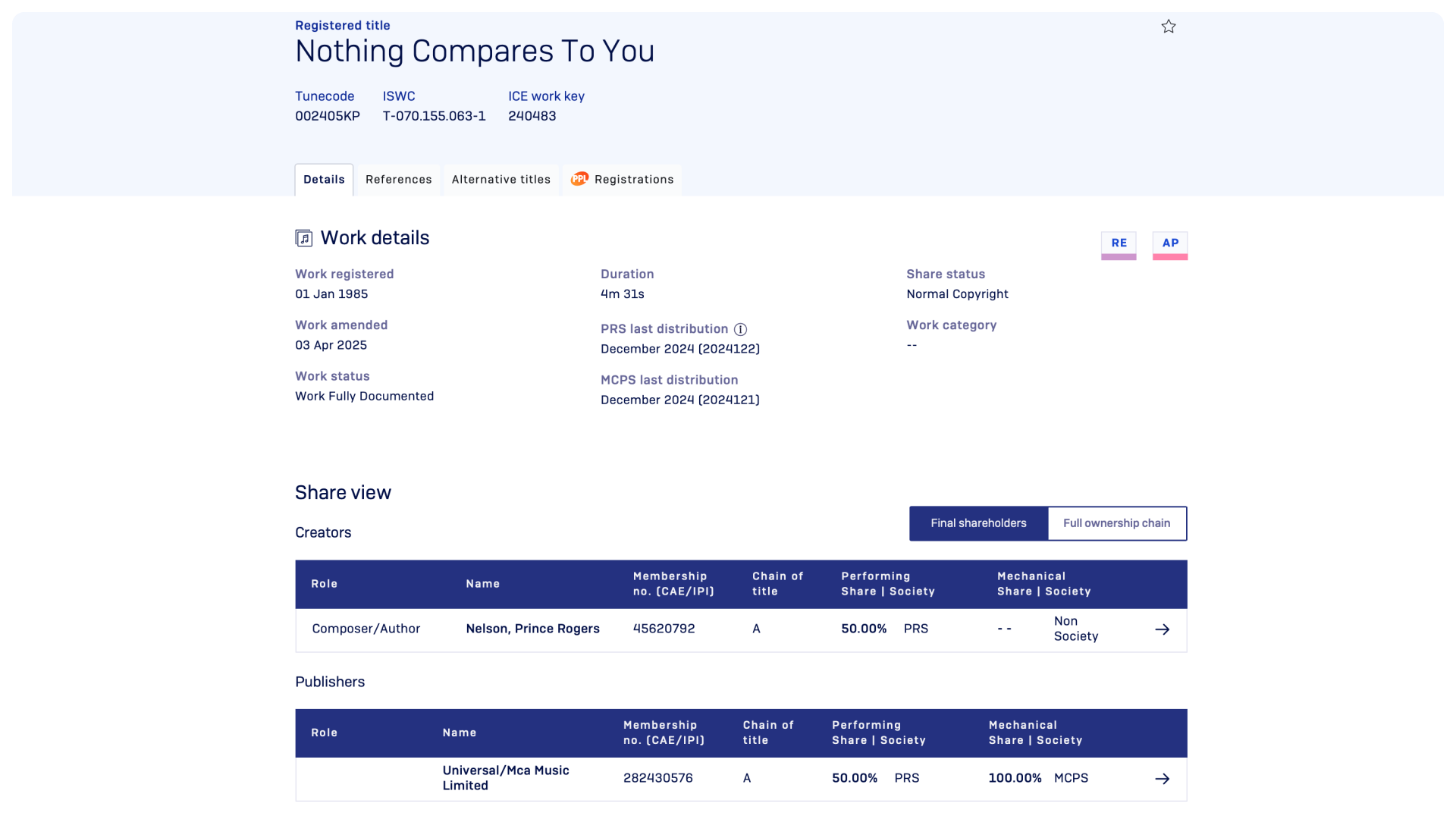
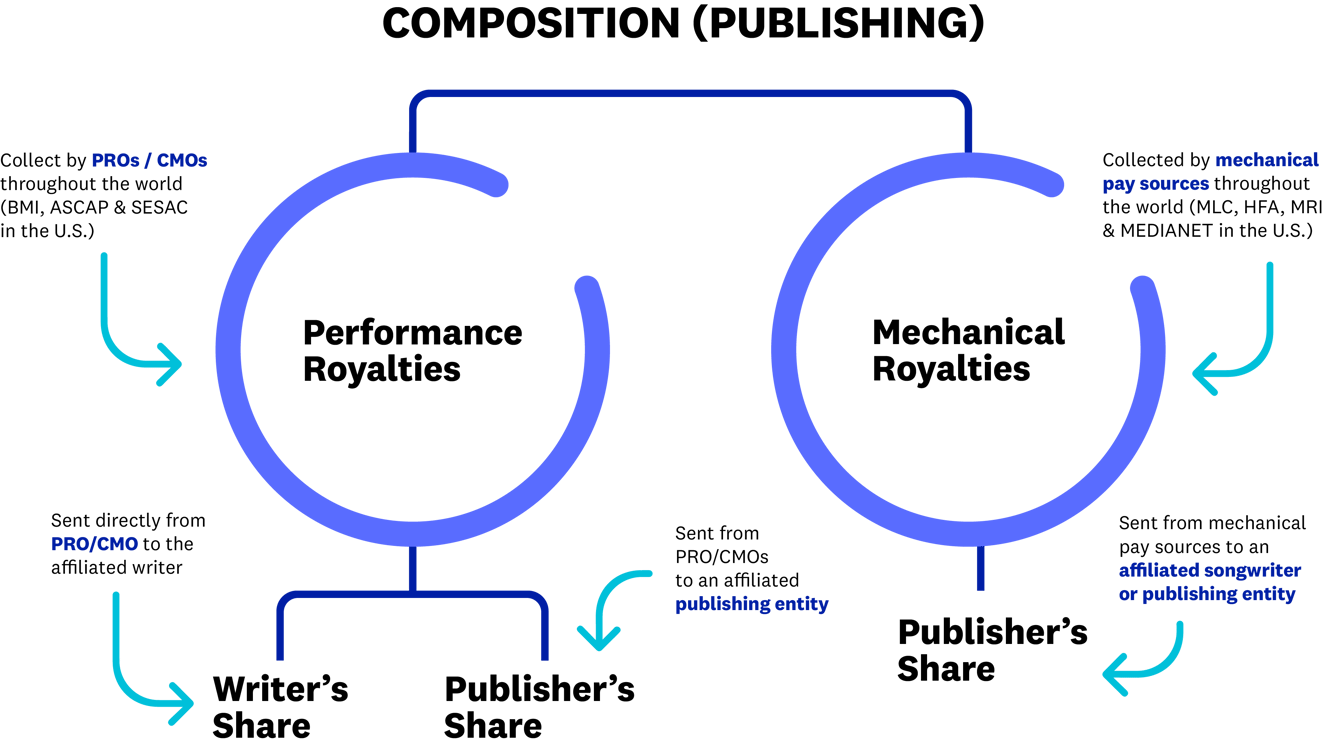
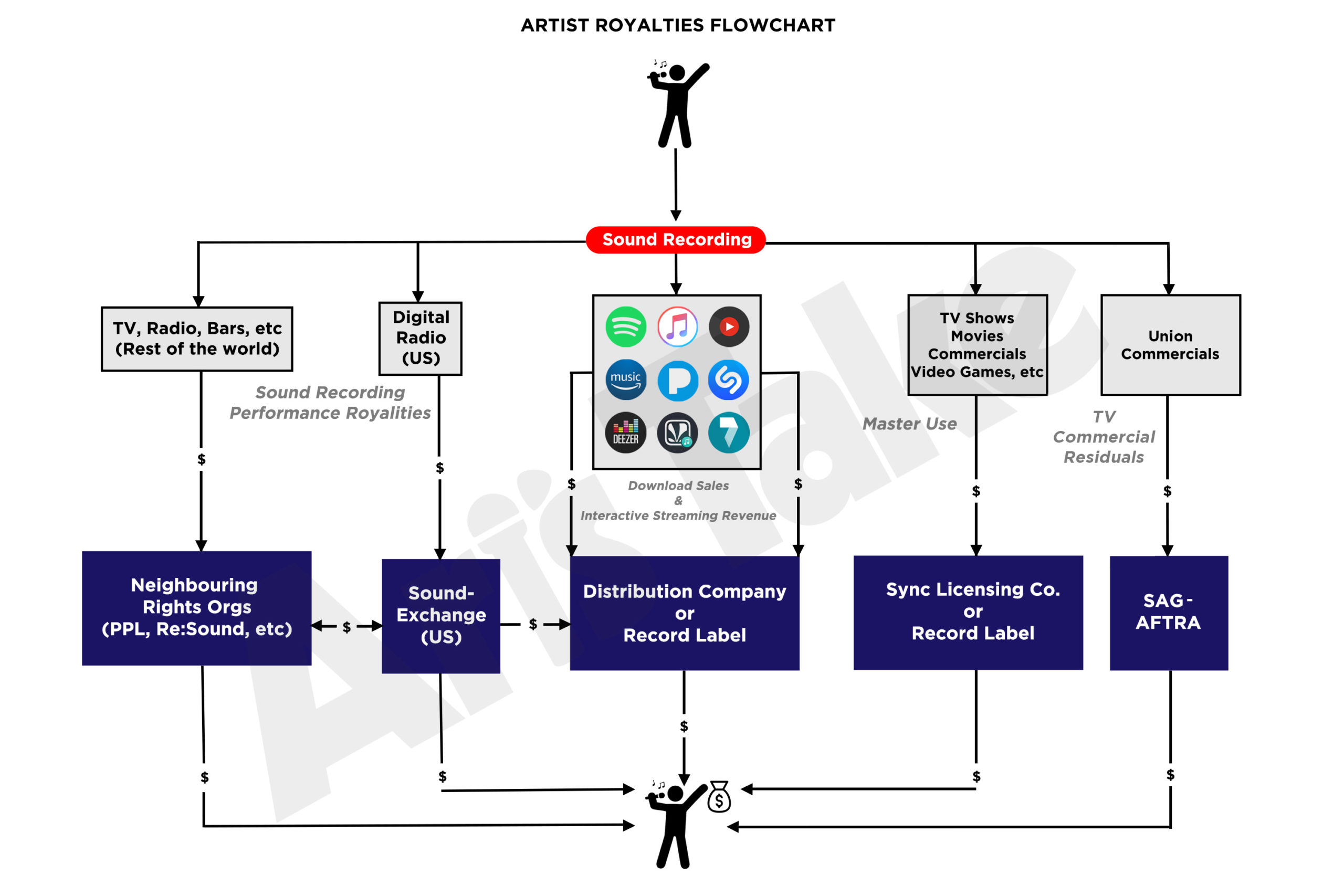
Most producer contracts require:
- Proper producer credit
- A publishing split (often 50/50)
- Producer listed as a songwriter
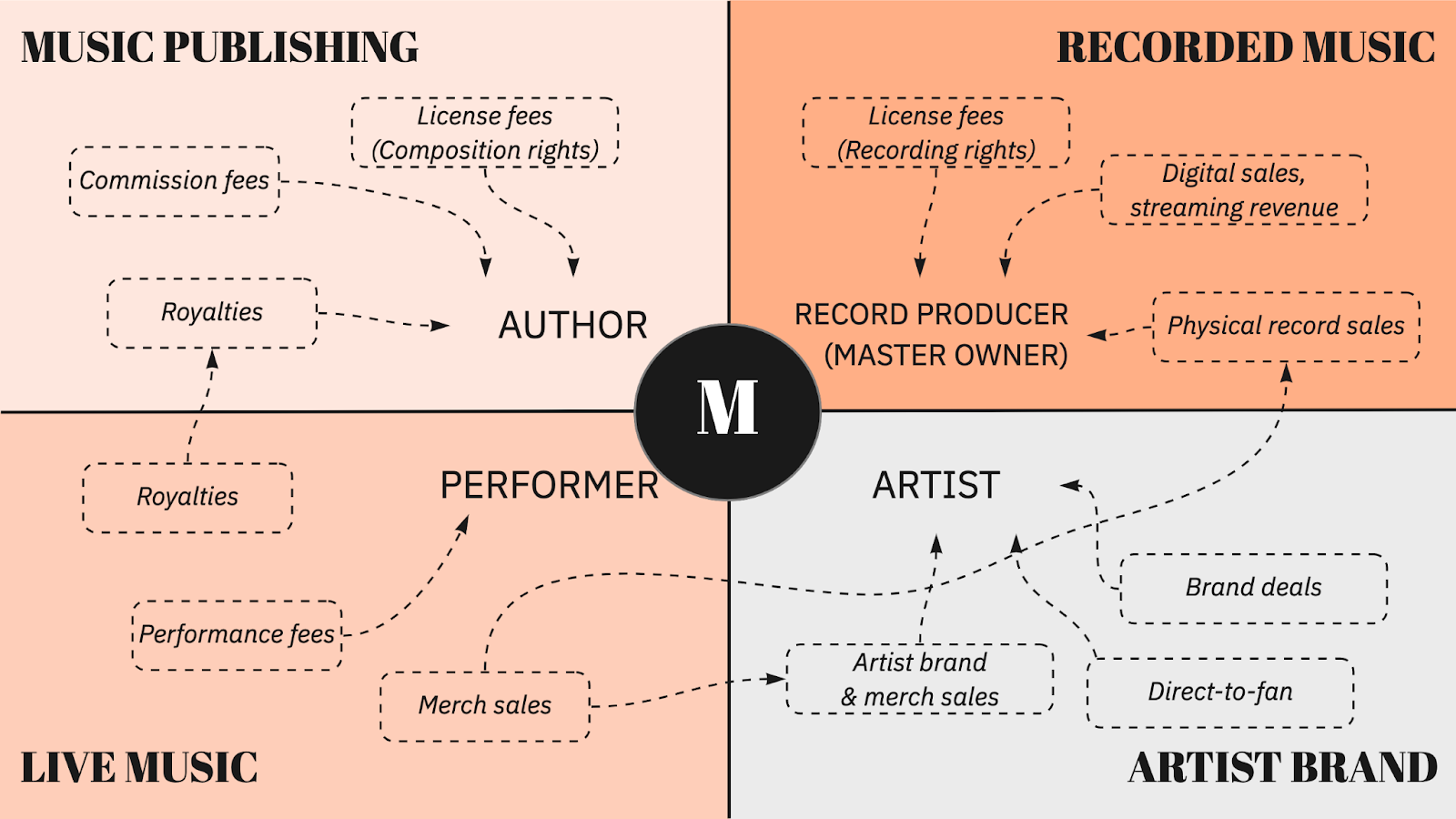
This does not mean the producer owns your song — it means they own part of the composition.
👉 This is standard industry practice.
Master Ownership & Content ID

Typically:
- You own the master recording
- The producer owns the instrumental composition
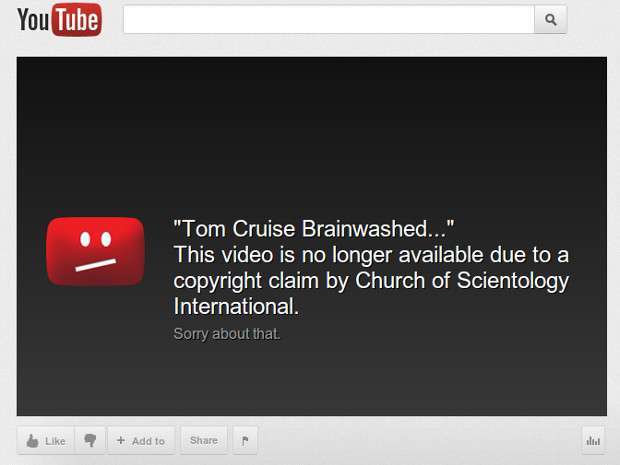
Some producers register beats with Content ID, which can affect YouTube monetization. A good contract explains how this works and how disputes are handled.
Final Thoughts

Producer contracts aren’t meant to trap artists — they exist to protect both sides. When you understand what you’re signing, leasing beats becomes a powerful tool instead of a risk.
Know the rules. Protect your music. Build smart.